
The Difference Between Bonded And Beaded Glazing
Upgrading windows and doors is one of the most impactful ways to improve a home’s comfort, appearance, and energy performance. Among the many decisions involved, the choice between bonded and beaded glazing plays a central role. Each system offers distinct advantages, and the right option often depends on your priorities, whether that’s modern aesthetics, ease of maintenance, security, or long-term efficiency.
At GHI Windows, we believe informed decisions lead to better homes. This guide breaks down both glazing types in detail, explaining how they work, where they excel, and how to decide which is best suited to your property and lifestyle.
What Glazing Choice Really Means for Your Home
Glazing affects how your home looks from the outside, how warm it stays in winter, how secure it is against intrusion, and how easily it can be maintained over time.
Bonded and beaded glazing represent two very different construction methods. One focuses on integration and modern performance, while the other prioritises flexibility, repairability, and traditional practicality. Understanding the difference helps ensure your investment matches your current preferences and future plans.
Bonded Glazing: Modern Design with Integrated Strength
Bonded glazing involves securing the glass directly to the window or door frame using high-strength structural adhesives or sealants. Unlike traditional systems, there are no external glazing beads holding the glass in place. The result is a smooth, continuous finish where the glass appears fully integrated into the frame.
This technique is widely used in modern architecture and is increasingly adopted in residential properties, especially in contemporary builds and high-spec renovations.
A Minimalist Aesthetic with Maximum Light
One of the most noticeable benefits of bonded glazing is its visual impact. Without visible beads or internal framing interruptions, the glass area appears larger and cleaner.
This creates:
- More natural light entering the property
- A seamless indoor-outdoor visual connection
- A modern, architectural finish
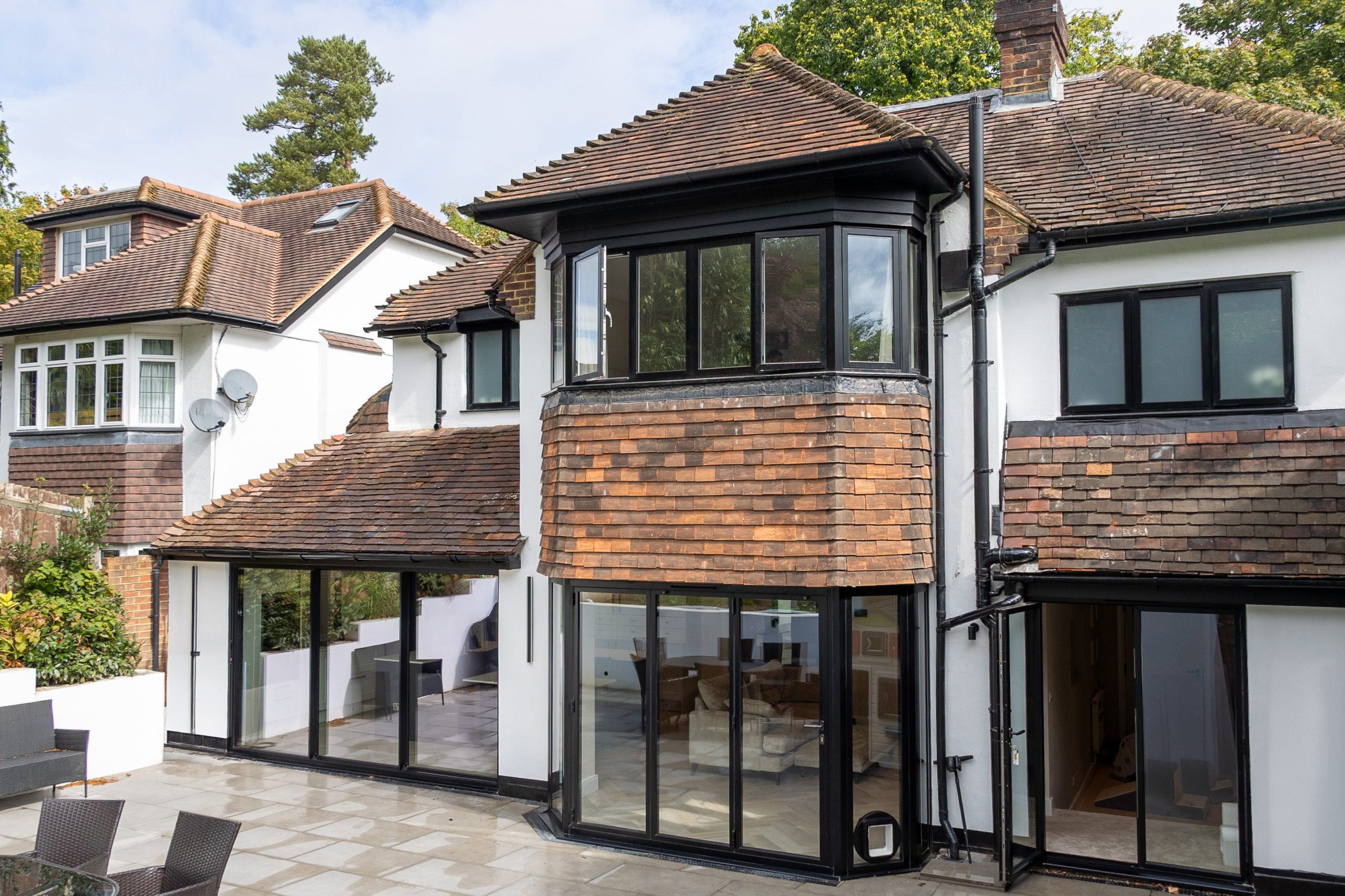
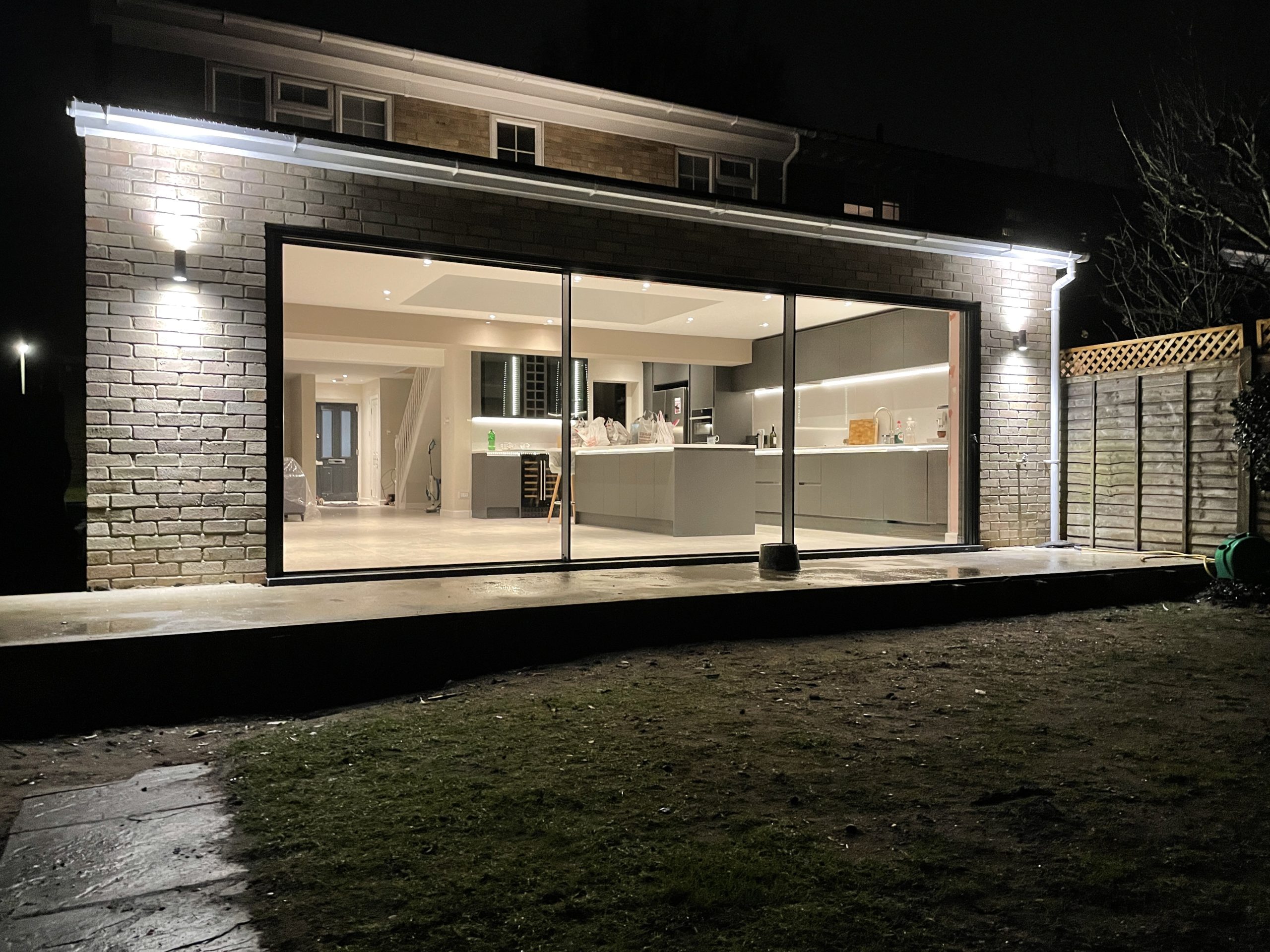
It is particularly effective in installations such as large fixed windows or bonded patio sliding doors, where uninterrupted views are a key design feature.
Security Advantages of Bonded Systems
Bonded glazing offers a strong security advantage due to its construction method. Because the glass is adhesively fixed into the frame, it is extremely difficult to remove from the outside without specialist tools or causing visible damage.
This makes it a strong option for:
- Ground floor windows
- Patio doors and garden-facing glazing
- Properties where security is a priority
In practical terms, the absence of removable external components reduces potential weak points in the window structure.
Thermal Efficiency and Energy Performance
Another key benefit of bonded glazing is improved thermal performance. The continuous seal created by structural bonding reduces the likelihood of air leakage around the glass perimeter.
This can contribute to:
- More stable indoor temperatures
- Reduced draughts
- Lower heating demand over time
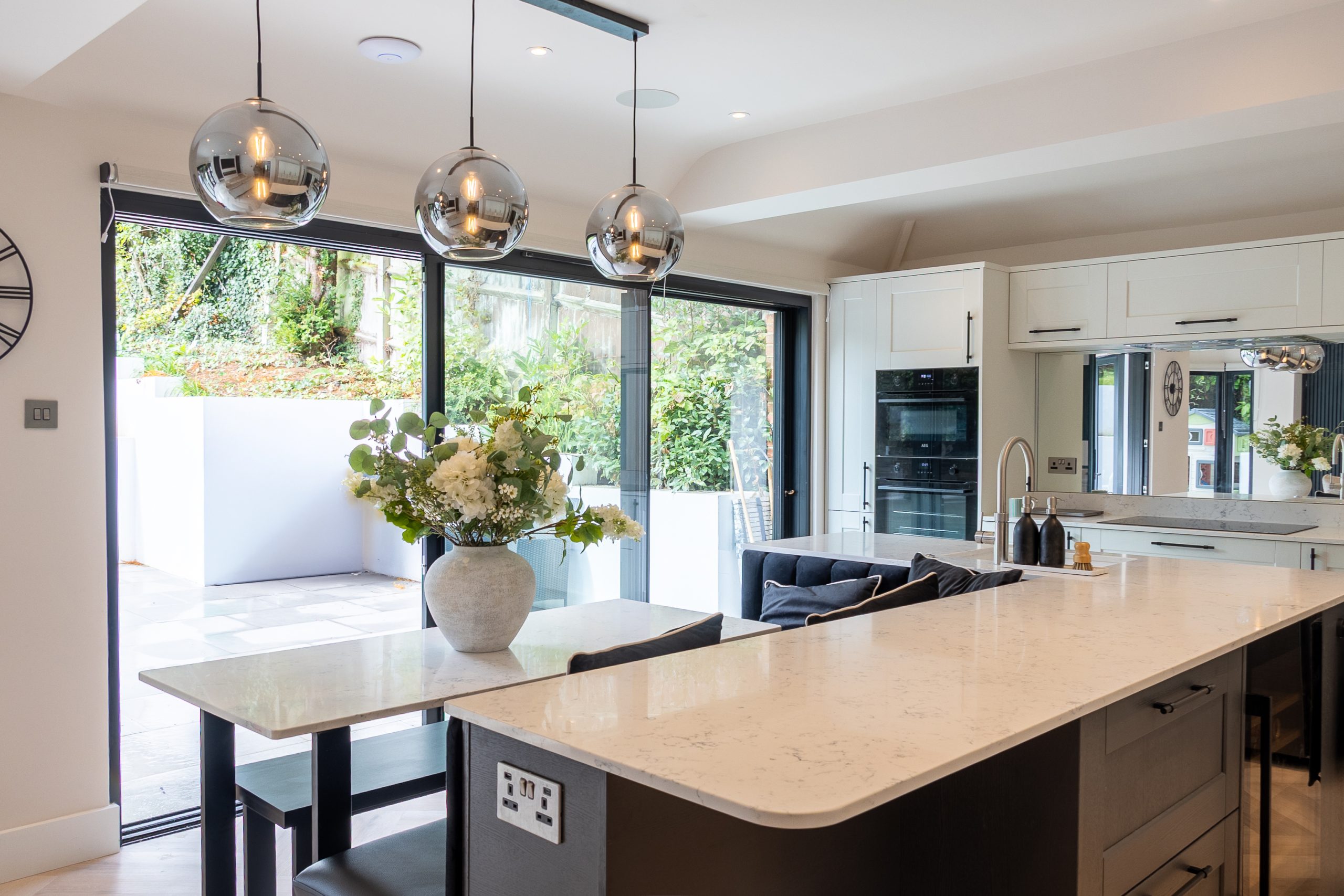
When used in large glazed areas, such as bonded sliding doors or expansive fixed panes, this efficiency becomes especially valuable, helping offset heat loss that might otherwise occur through large glass surfaces.
Durability and Long-Term Stability
Bonded systems are designed to withstand environmental stress, including wind pressure, rain exposure, and temperature fluctuations. The adhesive bond helps distribute forces evenly across the frame, supporting long-term structural integrity.
While replacement and repair are more specialised compared to beaded systems, bonded glazing is generally low maintenance once installed correctly.
Beaded Glazing: Traditional Flexibility with Practical Benefits
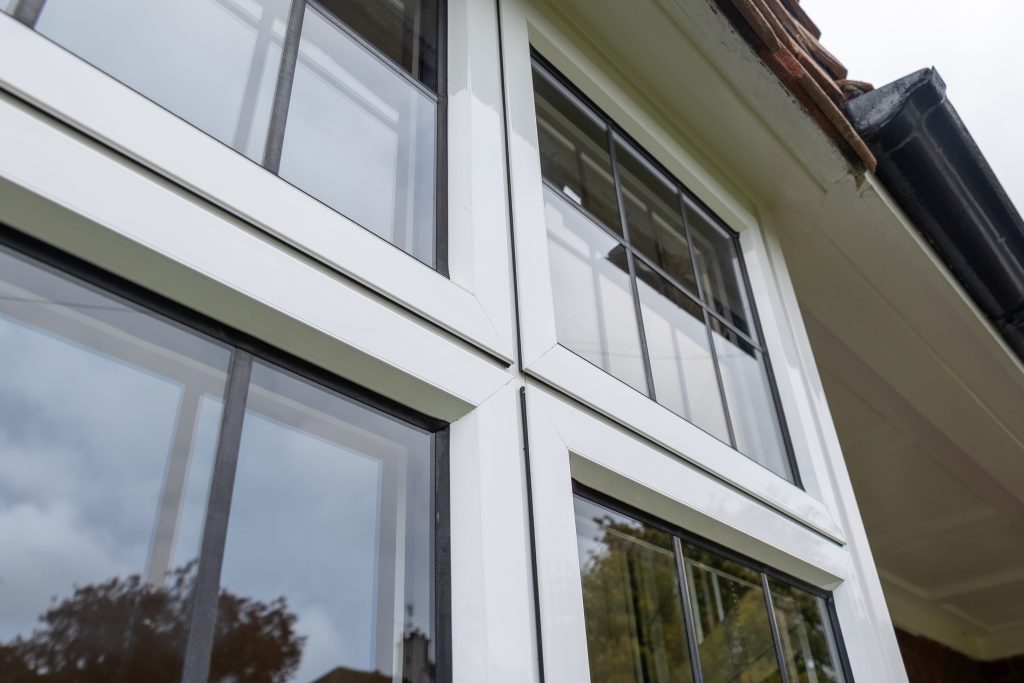
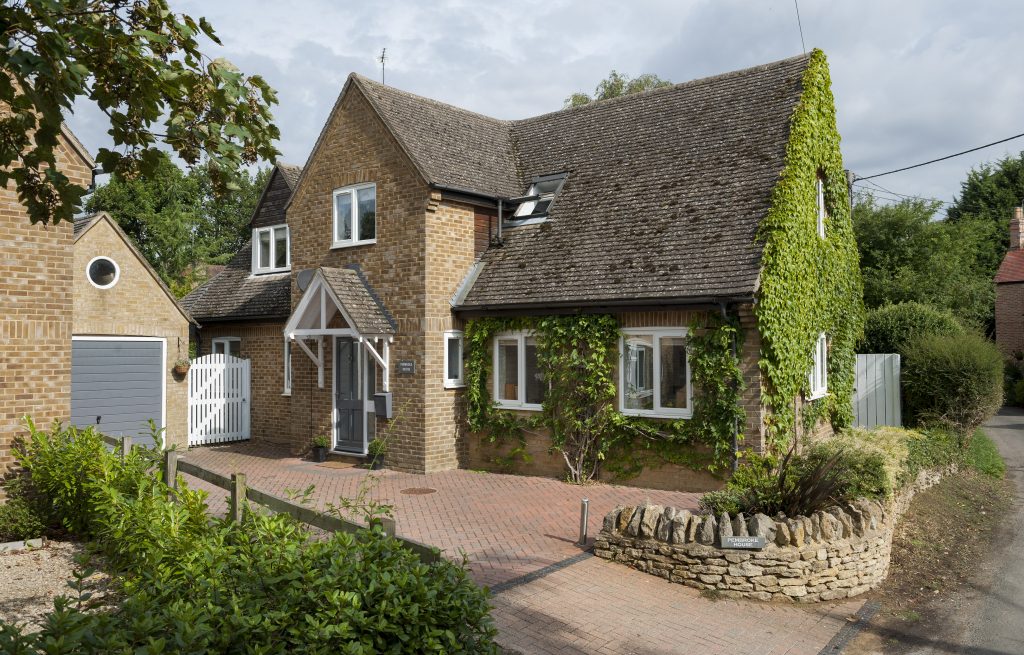
Beaded glazing uses removable strips, known as glazing beads, to physically hold the glass in the frame. These beads are fitted around the edges of the glass, locking it in place mechanically.
They are typically made from materials such as uPVC, aluminium, or timber, depending on the style and specification of the window or door.
Easy Maintenance and Glass Replacement
One of the strongest advantages of beaded glazing is its serviceability. If the glass becomes damaged or needs upgrading, the beads can be removed without dismantling the entire frame.
This provides:
- Faster and simpler glass replacement
- Reduced repair costs in many cases
- Less disruption during maintenance
For busy households or rental properties, this practicality can be a significant advantage.
Design Flexibility Across Property Styles
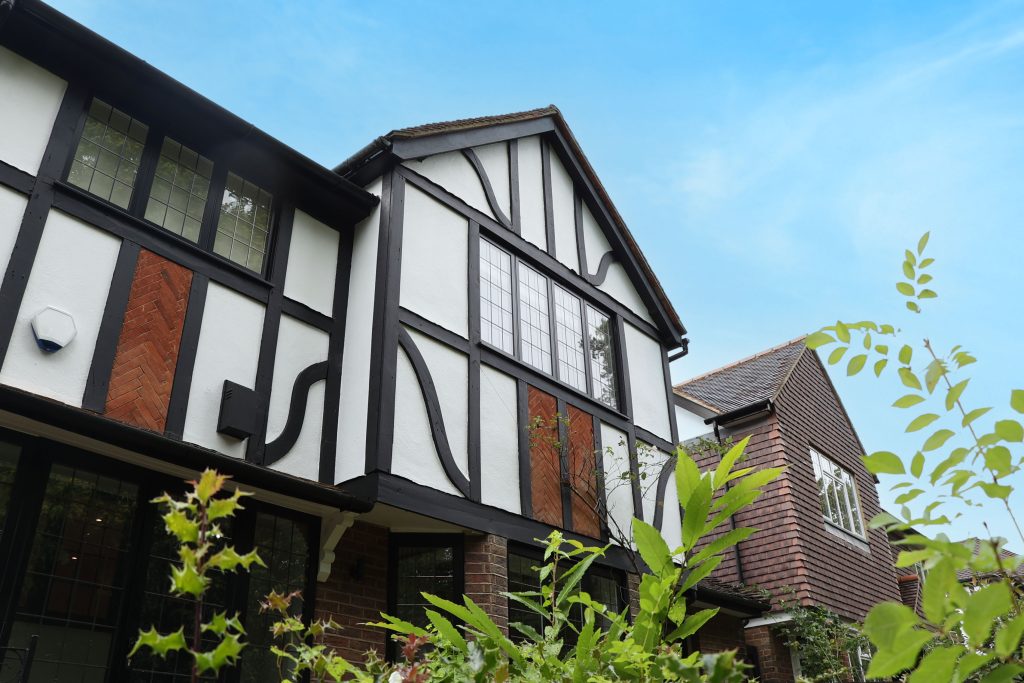
Beaded glazing is highly adaptable and suits a wide range of architectural styles. The beads themselves can be customised in colour, profile, and material, allowing the window to blend seamlessly with the building’s design.
It works particularly well in:
- Period homes
- Renovation projects
- Properties requiring traditional detailing
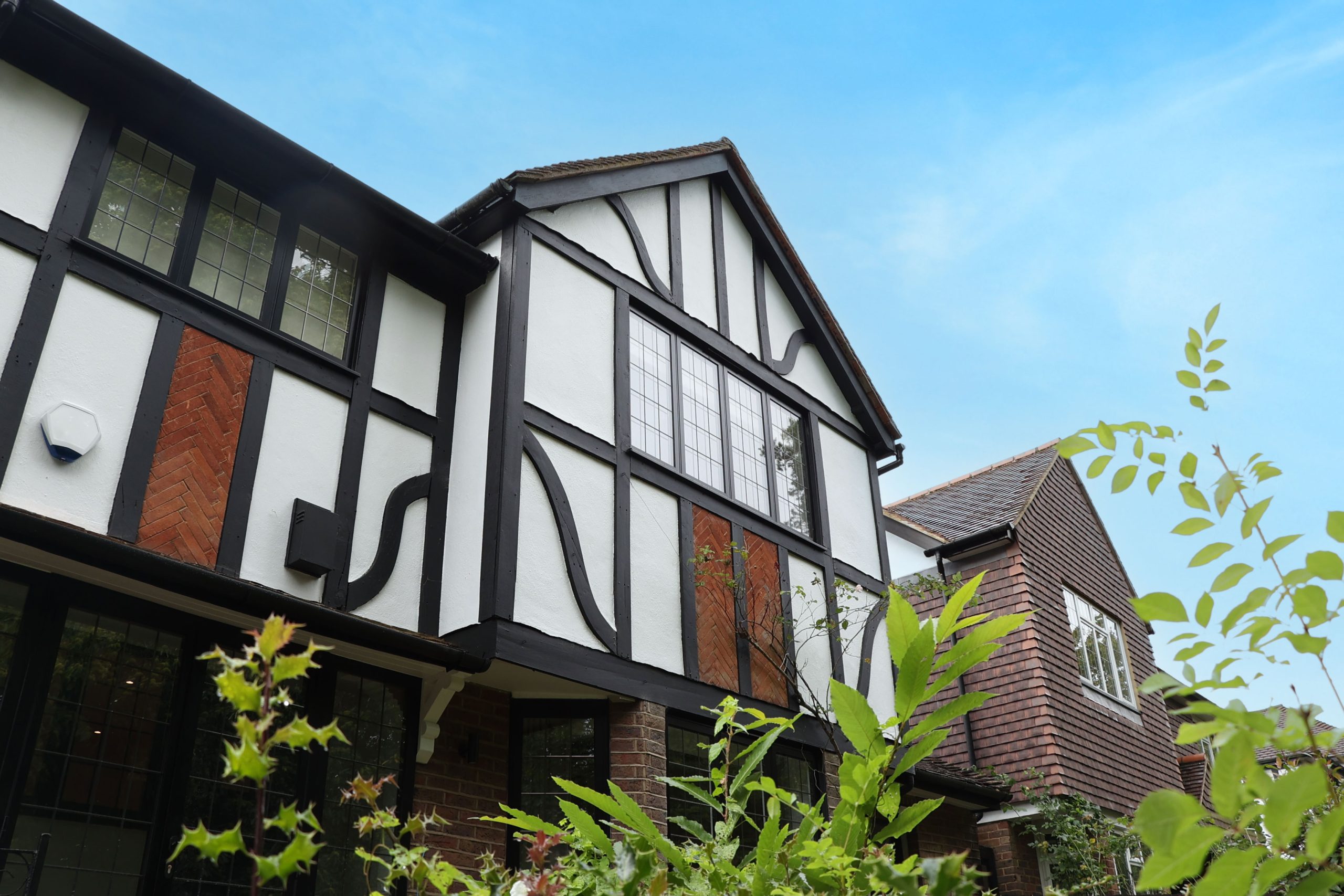
Whether the goal is subtle integration or decorative framing, beaded systems offer broad aesthetic control, including options like sliding sash windows, bow and bay windows, and French doors.
Strong Suitability for Repairs and Upgrades
Because the glazing is mechanically secured rather than chemically bonded, adjustments and repairs are often more straightforward. This makes beaded systems ideal for properties where windows may be updated incrementally over time.
It also allows for easier upgrades to newer glass technologies, such as improved insulation with triple glazing or acoustic glazing, without replacing the entire frame system.
Ventilation and Environmental Management
While glazing type does not directly control ventilation, beaded systems often allow for more straightforward adjustment and maintenance of seals over time. This can help manage issues like condensation or moisture build-up when properly maintained.
The ability to regularly service components contributes to long-term performance stability.
Direct Comparison: Bonded vs Beaded Glazing
Understanding the strengths of each system becomes clearer when comparing them side by side.
1 Appearance and Design
- Bonded glazing: clean, modern, uninterrupted glass surfaces
- Beaded glazing: visible framing detail, more traditional or customisable look
2 Security
- Bonded: higher resistance to external removal
- Beaded: secure when installed correctly, but mechanically removable
3 Maintenance
- Bonded: low maintenance, but specialist repair required
- Beaded: easier and faster to repair or replace glass
4 Energy Efficiency
- Bonded: excellent due to continuous sealing
- Beaded: good, but dependent on seal quality and maintenance
5 Suitability
- Bonded: modern homes, architectural builds, large glazing areas
- Beaded: traditional homes, renovations, flexible upgrade needs
When Bonded Glazing Makes More Sense
Bonded glazing is often the preferred choice if you are looking for:
- A modern architectural finish
- Maximum natural light and minimal framing
- Enhanced security performance
- Large glazed installations such as patio systems
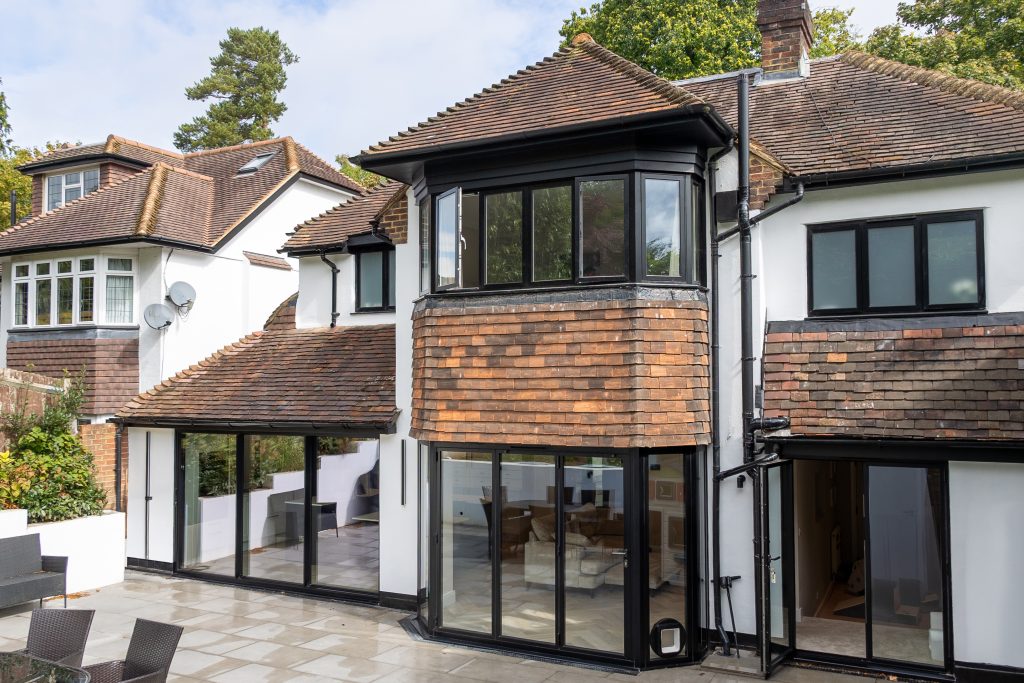
It is particularly effective in contemporary homes or major refurbishment projects where visual impact is a priority.
When Beaded Glazing Is the Better Fit
Beaded glazing tends to suit homeowners who value:
- Ease of repair and maintenance
- Flexible design options
- Compatibility with traditional or period properties
- Cost-effective long-term servicing
It is often chosen where practicality and adaptability are more important than achieving a fully minimalist aesthetic.
Balancing Aesthetics and Function
In many cases, the decision does not come down to one “better” option, but rather which trade-offs you are more comfortable with. Bonded glazing prioritises form and integrated performance, while beaded glazing prioritises accessibility and flexibility.
Both systems are capable of delivering excellent results when correctly specified and installed.
Professional Guidance From GHI
While understanding the differences is important, the final choice should always take into account the specific characteristics of your property. Factors such as frame condition, building age, exposure to weather, and intended use of each room can all influence the best solution.
At GHI Windows, the focus is not just on installing the glazing systems, but on helping homeowners match the right technology to the right environment. This ensures the final result performs well both immediately and over the long term.
Moving Forward with Confidence
Whether you are renovating a single room or upgrading an entire property, glazing plays a key role in shaping comfort, efficiency, and overall appearance. Bonded and beaded systems each offer clear strengths, and both remain widely used for good reason.
The most important step is aligning those strengths with your priorities, whether that is a modern seamless finish, easy maintenance, enhanced security, or design flexibility.
Choosing between bonded and beaded glazing is ultimately about understanding how you want your home to look, feel, and function in everyday use. Bonded systems bring a clean, contemporary edge with strong performance benefits, while beaded systems provide tried-and-tested practicality and design versatility.
With the right guidance and careful consideration, either option can significantly enhance your home’s comfort, efficiency, and visual appeal for years to come.
Get in touch with GHI Windows today for expert guidance or get a free, no-obligation quote tailored to your project.

- Do You Need Planning Permission for New Windows & Doors in Surrey? - August 27, 2026
- The Difference Between Bonded And Beaded Glazing - May 7, 2026
- New Year, New Home: Refresh Your Space with Stylish Windows and Doors - January 30, 2026
Categories: Updates