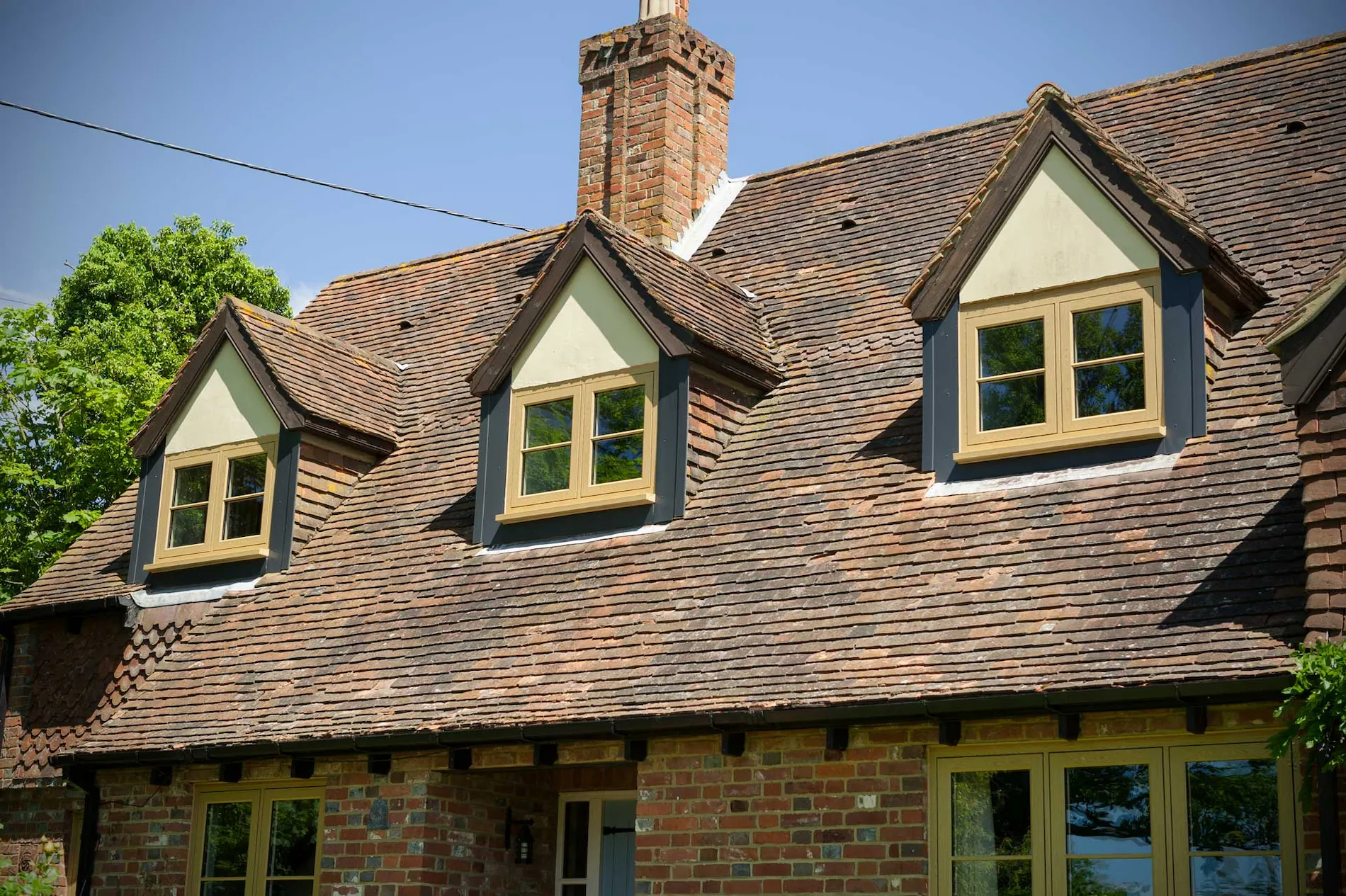
What Are Trickle Vents and Are They Required?
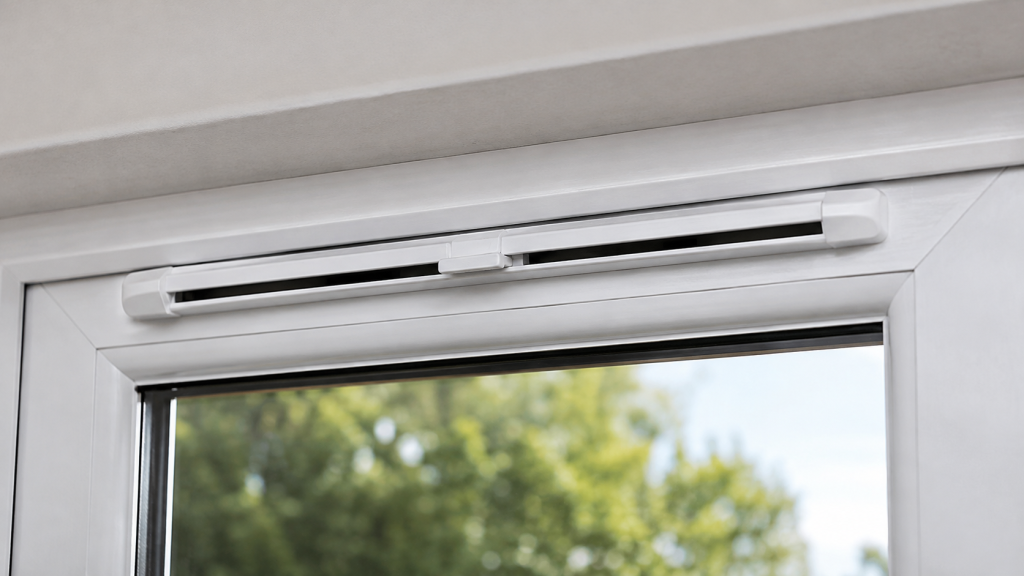
If you’re thinking about replacing your windows, you may have heard about trickle vents. These small openings are usually fitted along the top of a window frame and allow fresh air to enter your home, even when the windows are closed.
But what exactly are trickle vents? Are they a legal requirement on new windows, and can you choose not to have them?
At GHI Windows, we help homeowners find windows that look great, improve energy efficiency and meet Building Regulations. Here’s everything you need to know about trickle vents before replacing your windows.
What Are Trickle Vents?
Trickle vents are small ventilation openings fitted into window frames. They allow a controlled amount of fresh air to enter a room without needing to open the window.
They are designed to provide background ventilation, helping remove stale air, excess moisture and indoor pollutants.
This is particularly important in modern homes. New windows are designed to keep heat inside and prevent draughts. However, this can also reduce natural airflow, allowing moisture to build up.
Without enough ventilation, condensation and mould can become problems. Trickle vents help improve airflow and maintain a healthier indoor environment.
Are Trickle Vents Legally Required on New Windows?
In England, window ventilation is covered by Part F of the Building Regulations.
The short answer is that trickle vents are not compulsory in every replacement window, but your home must have suitable background ventilation.
The requirements depend on the ventilation already available in your property.
For example:
- If your existing windows have trickle vents: Replacement windows should normally have vents that provide at least the same ventilation area as the original ones.
- If your existing windows do not have trickle vents: You must make sure that replacing them does not reduce the ventilation in your home.
For homes without existing vents, Approved Document F provides guidance on suitable ventilation levels. For example, where natural ventilation is used, the typical minimum equivalent areas are 8,000mm² for living rooms and kitchens and 4,000mm² for bathrooms.
These requirements can be met through suitable alternative ventilation systems where appropriate.
The important thing to remember is that simply choosing windows without trickle vents does not remove the need to meet ventilation requirements.
Can You Have New Windows Without Trickle Vents?
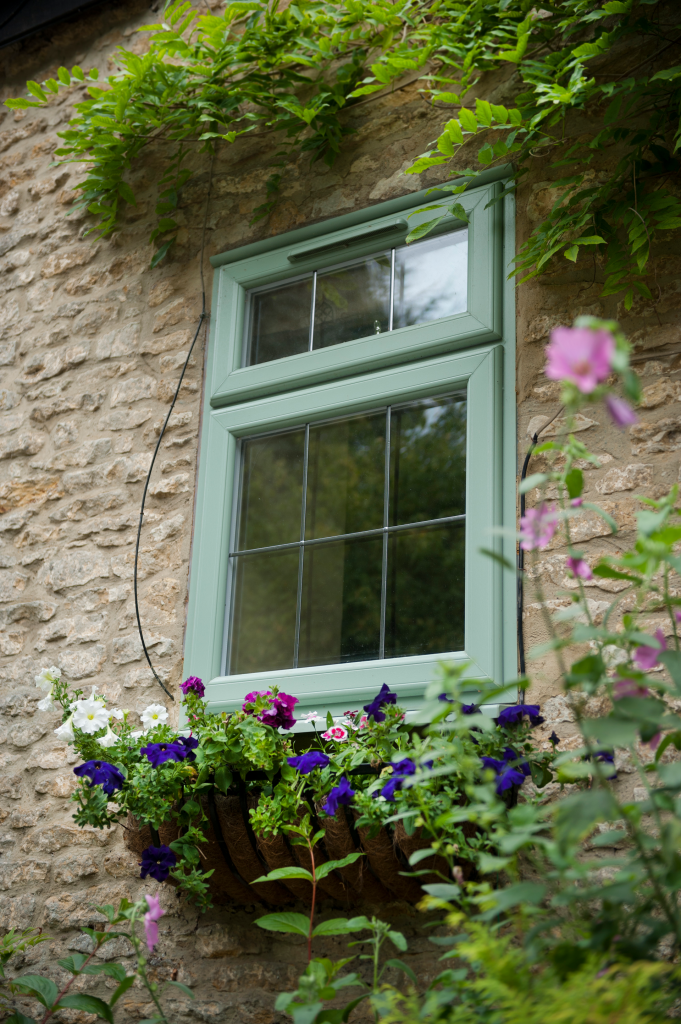
Yes, depending on your home’s existing ventilation and the system being installed.
Trickle vents are one way to provide fresh air, but they are not the only option.
Alternatives can include:
- Wall vents: These allow fresh air into rooms through external walls.
- Mechanical ventilation: A suitable ventilation system can provide a controlled supply of fresh air.
- Mechanical ventilation with heat recovery (MVHR): This system supplies fresh air while recovering heat from outgoing air.
Any alternative must provide suitable ventilation and meet the relevant Building Regulations.
It’s worth knowing that a window’s night-latch position, where it is locked slightly open, is not considered a suitable replacement for background ventilation.
What Are the Benefits of Trickle Vents?
Although some homeowners prefer the appearance of windows without visible vents, trickle vents offer several practical benefits.
Better air quality: They allow fresh air to circulate, helping remove stale air and indoor pollutants.
Less condensation: Better airflow helps remove excess moisture, reducing the risk of condensation on windows and walls.
Reduced risk of mould: Controlling indoor moisture can help prevent the conditions that allow mould to grow.
Ventilation without opening windows: You can maintain background airflow while keeping your windows closed.
For best results, trickle vents should be kept open and free from obstructions, alongside suitable kitchen and bathroom extractor fans.
Do Trickle Vents Affect the Appearance of New Windows?
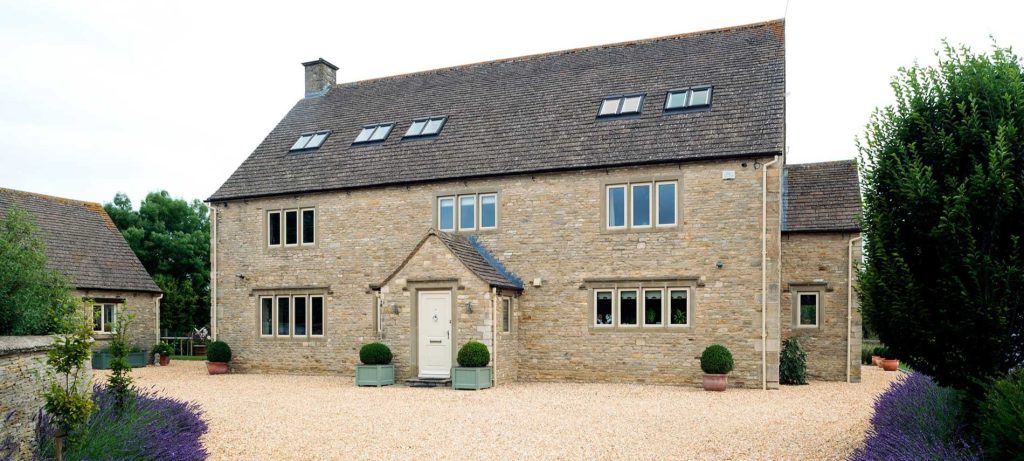
Some homeowners worry that trickle vents will spoil the appearance of their new windows. However, modern designs offer neat, discreet ventilation options that can blend into the frame.
At GHI Windows, we offer a wide choice of styles and materials to suit different properties, including contemporary aluminium windows and uPVC windows.
Whether you live in a modern home or a traditional property, we can help you explore options that balance appearance, performance and ventilation.
Speak to GHI Windows About Your New Windows
Understanding trickle vents before replacing your windows can help you make the right decisions and avoid unexpected changes during your project.
At GHI Windows, our experienced team can guide you through different window styles, materials and specifications, helping you find the right solution for your home.
With showrooms in Banstead and Weybridge, we work with homeowners across Surrey and surrounding areas.
If you’re planning to replace your windows, contact GHI Windows or visit one of our showrooms to discuss your project and arrange a quote.

- What Are Trickle Vents and Are They Required? - November 13, 2026
- What is a FENSA Certificate and Why Do You Need It When Selling Your Home? - October 19, 2026
- Aluminium vs uPVC Windows: Which Is Best for Modern Homes? - March 10, 2026
Categories: Updates